
Hemp THC Gummies vs. Vaping: Which Delivery Method Wins for You?

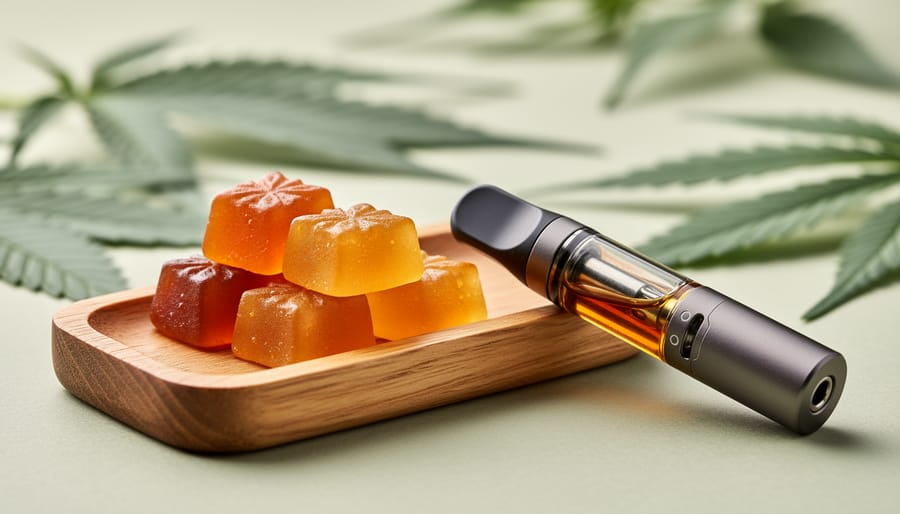
Choosing between THC gummy edibles and vaping hemp-derived THC comes down to three core factors: how quickly you want effects, how long you need them to last, and your personal health priorities. Gummies deliver effects in 30 to 90 minutes with a duration of four to eight hours, making them ideal for sustained relief and discreet use. Vaping produces near-instant effects within minutes but typically lasts only one to three hours, offering precise control for experienced users who need rapid onset.
The decision isn’t purely about convenience. Each method involves distinct biochemical processes that affect potency, bioavailability, and potential risks. When you consume a gummy, THC metabolizes through your liver into 11-hydroxy-THC, a compound often described as more potent than what you’d experience through inhalation. Vaping delivers THC directly into your bloodstream via lung tissue, bypassing first-pass metabolism entirely.
Safety considerations play an equally important role. While gummies eliminate respiratory concerns associated with inhaling heated compounds, they pose dosing challenges for newcomers who might consume too much before feeling initial effects. Vaping offers better titration but introduces questions about carrier liquids, temperature control, and long-term pulmonary impact.
This guide breaks down the science behind both delivery methods, compares their real-world performance across key metrics, and provides expert-backed recommendations to help you choose the option that aligns with your lifestyle and wellness goals in 2026.
Understanding Hemp-Derived THC Products
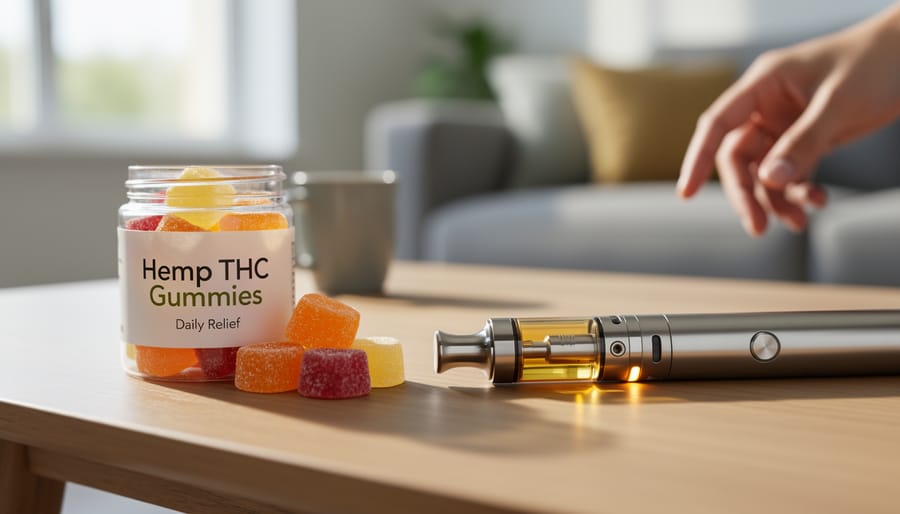
Hemp-derived THC products occupy a unique legal and chemical space that confuses many consumers. The key distinction lies in the source plant and THC concentration. Under the 2018 Farm Bill, hemp became federally legal when it contains no more than the 0.3% dry-weight THC threshold of delta-9 THC. This legal framework created opportunities for manufacturers to extract and concentrate various cannabinoids from compliant hemp plants, resulting in products that contain psychoactive compounds while technically remaining within federal guidelines.
The hemp industry now produces several THC variants that differ in molecular structure and effects:
- Delta-9 THC
- The primary psychoactive compound in cannabis, legal in hemp products when derived from hemp and within the 0.3% limit by dry weight. In gummies, this means a 10mg delta-9 gummy can be legal if the total product weight keeps the THC percentage under the threshold.
- Delta-8 THC
- A hemp-derived cannabinoid with milder psychoactive effects than delta-9, created through chemical conversion of CBD. It exists in a legal gray area, as the Farm Bill doesn’t explicitly address synthetically derived cannabinoids.
- Hemp-Derived
- Cannabinoids extracted from Cannabis sativa plants containing less than 0.3% delta-9 THC, making them federally compliant under the 2018 Farm Bill definition of hemp.
- Farm Bill Compliance
- Products meeting the legal definition of hemp under federal law, though state regulations vary significantly and some states have banned hemp-derived intoxicating cannabinoids entirely.
Both gummies and vape products can contain these hemp-derived cannabinoids, though the concentration and experience differ by delivery method. Some brands also offer blends combining delta-8, delta-9, and minor cannabinoids like THC-O or HHC for varied effects. The critical factor is sourcing from reputable manufacturers who provide lab testing confirming both cannabinoid content and the absence of contaminants. State laws vary dramatically, with some fully embracing hemp-derived THC products while others restrict or ban them despite federal legality.
How Hemp THC Gummies Work
Dosing and Consistency
One of gummies’ strongest advantages is dosing precision. Each gummy contains a predetermined amount of hemp-derived THC, typically ranging from 5mg to 25mg, clearly labeled on the package. You know exactly how much you’re consuming before you take your first bite, which removes the guesswork that plagues other methods.
This consistency matters because hemp-derived THC affects everyone differently. Starting with a known 5mg or 10mg dose lets you establish your baseline response, then adjust incrementally over subsequent sessions. Compare this to vaping, where each draw delivers varying amounts depending on inhalation technique, device temperature, and how long you hold the vapor.
New users particularly value this predictability. There’s no need to count seconds on a vape pen or estimate how many puffs equal a standard dose. Split a 10mg gummy in half, and you’ve got two reliable 5mg servings. This controlled environment reduces anxiety about overconsumption and helps first-timers build confidence as they learn their tolerance. The trade-off is inflexibility, once you’ve swallowed that gummy, you’re committed to its full dose for the next several hours.
Who Benefits Most from Gummies
Hemp THC gummies cater to a specific set of users whose needs align with the edible delivery method’s unique characteristics. If you’re weighing whether gummies suit your lifestyle, consider these common scenarios where they excel.
- Chronic pain or anxiety sufferers who need relief that lasts through a full workday or night’s sleep
- Individuals in shared living spaces or public settings who require discreet consumption without vapor clouds or distinctive odors
- People with respiratory conditions, lung sensitivities, or a personal preference to avoid any form of inhalation
- New users who want predictable, pre-measured doses to avoid the guesswork and potential overconsumption that can happen with self-dosing methods
- Those managing a busy schedule who prefer taking their dose once and letting it work in the background rather than redosing frequently
Gummies particularly appeal to users transitioning from traditional cannabis edibles or those who’ve never vaped and don’t want to start. The familiar format of a food product lowers the barrier to entry, making hemp THC more accessible to demographics uncomfortable with vaping culture or devices. If patience isn’t an issue and you value sustained effects over rapid onset, gummies deliver a straightforward, fuss-free experience that fits seamlessly into daily routines.
How Vaping Hemp THC Works

Types of Hemp THC Vape Products
The hemp THC vape market in 2026 offers three main product categories, each designed for different user preferences and experience levels.
Pre-filled cartridges remain the most popular choice. These screw onto a standard 510-thread battery and contain hemp-derived THC oil in various cannabinoid profiles, delta-8, delta-9, or blends with CBD and other compounds. Cartridges typically hold 0.5ml to 1ml and allow users to switch between strains or formulations using a single battery device.
Disposable vapes combine the cartridge and battery in one unit you use until empty, then discard. They’re ideal for newcomers who want zero setup and maximum portability. Many 2026 models include rechargeable batteries that outlast the oil supply, addressing earlier environmental concerns while maintaining convenience.
Refillable pod systems represent the middle ground. Similar to nicotine pod vapes and the best pen vaporizers on the market, these devices use replaceable pods you can fill with hemp THC distillate or oil. They offer more customization than disposables with less hassle than traditional cartridge systems, and they’re gaining traction among users who value both flexibility and ease of use.
Each format works with the same hemp-derived cannabinoids but differs in upfront cost, long-term value, and user commitment level.
Who Benefits Most from Vaping
Vaping hemp THC suits users who value speed and control over their cannabis experience. If you’re already comfortable with vaping devices and understand temperature settings, you’ll find the transition to hemp THC vapes straightforward, your existing knowledge translates directly to managing cannabinoid delivery.
Those dealing with acute symptoms find vaping particularly useful. The 5-15 minute onset means you can address sudden stress, discomfort, or mood shifts in real time rather than waiting an hour for an edible to kick in. This immediacy proves invaluable when you need relief now, not later.
Experienced cannabis users typically prefer vaping because it offers granular dosing control. You can take a single puff, assess the effects after five minutes, and decide whether you need more. This approach prevents overconsumption and lets you fine-tune your experience throughout the day. Someone managing their intake carefully, whether for tolerance reasons or functional demands, appreciates this incremental control.
Vaping also appeals to users who want different cannabinoid experiences at different times. You can switch between strains or formulations easily, adjusting your effects based on whether you need focus, relaxation, or pain relief at any given moment.
Direct Comparison: Gummies vs. Vaping
Choosing between hemp THC gummies and vaping comes down to how each method aligns with your lifestyle, experience level, and what you want from your hemp-derived THC. Here’s how they stack up across the factors that matter most.
| Factor | Hemp THC Gummies | Vaping Hemp THC |
|---|---|---|
| Onset Time | 45-120 minutes | 5-15 minutes |
| Effect Duration | 4-8 hours | 2-4 hours |
| Discretion | Completely discreet, looks like regular candy | Produces visible vapor, some odor |
| Learning Curve | None, eat and wait | Requires understanding device, technique |
| Portability | Highly portable, no charging needed | Requires charged battery, may leak |
The speed difference is striking. Vaping delivers effects within minutes because cannabinoids absorb directly through lung tissue into your bloodstream. Gummies take longer since they must travel through your digestive system and liver before reaching circulation. If you need fast relief or want to gauge your response quickly, vaping wins. For sustained effects throughout your day or evening, gummies provide a steadier experience.
Precision dosing favors gummies. Each gummy contains a measured amount of THC, typically 5mg, 10mg, or 25mg. You know exactly what you’re taking every time. Vaping involves more estimation since each puff delivers a variable dose depending on how long you inhale and your device settings. New users often find gummies less intimidating for this reason, though our vaping beginners guide helps demystify the learning curve.
Flavor experience differs significantly. Quality gummies taste like fruit-flavored candy, masking any hemp taste completely. Vape products range from cannabis-derived terpene profiles that preserve the plant’s natural flavor to artificial fruit or dessert flavors. Some users prefer the authentic cannabis taste in vapes, while others appreciate that gummies involve no cannabis flavor whatsoever.
Ease of use strongly favors gummies for beginners. There’s no device to charge, no settings to adjust, no technique to master. Pop one in your mouth and you’re done. Vaping requires understanding battery life, cartridge compatibility, airflow control, and proper inhalation technique. That said, experienced vapers find the control and flexibility worth the learning investment.
Safety and Health Considerations
What to Look for in Quality Products
Whether you’re comparing CBD vs nicotine products or choosing hemp THC options, quality verification follows the same principles. Start with the Certificate of Analysis (COA), a third-party lab report that should be readily accessible via QR code on packaging or the brand’s website. Legitimate COAs display the testing lab’s name, batch number matching your product, and a recent test date within the past six months.
For cannabinoid content, verify that the reported delta-8 or delta-9 THC levels match the label claims within a reasonable margin (typically ±10%). The COA should also confirm the product contains less than 0.3% delta-9 THC from dry weight for legal hemp classification. Check for a full cannabinoid profile showing CBD, CBG, and other compounds, which indicates comprehensive testing rather than selective disclosure.
The contaminant panel matters enormously. Look for passing results on pesticides, heavy metals (lead, mercury, arsenic), residual solvents, and microbial contaminants like mold or bacteria. For vape products specifically, avoid anything containing vitamin E acetate or unapproved cutting agents that caused the 2019 vaping crisis. Reputable vape brands will test for these additives explicitly.
For vape hardware, quality brands provide proper vape cleaning guide resources and use food-grade materials in their cartridges and heating elements. Avoid anonymous brands with no contact information, suspiciously low prices, or products sold exclusively through social media. Established companies stand behind their products with batch testing, customer service, and transparent sourcing practices.

Expert Perspectives on Delivery Methods
The choice between gummies and vaping isn’t one-size-fits-all, and industry professionals emphasize different considerations based on user experience and goals.
“We’re seeing a clear pattern in 2026,” explains Sarah Chen, a cannabis educator with eight years of experience. “New users gravitate toward gummies because the controlled dosing removes guesswork. They can take half a gummy, wait two hours, and understand exactly how their body responds before adjusting. With vaping, that learning curve is steeper, it’s easier to overdo it when effects hit in minutes.”
However, vaping specialists note distinct advantages for their preferred method. Marcus Thompson, who has reviewed vaping products since 2019, points out that experienced users value the control. “You can take one puff, assess how you feel in ten minutes, and decide if you need more. That real-time adjustment isn’t possible with edibles once you’ve swallowed them.”
Health considerations factor heavily into professional recommendations. Respiratory therapist and harm reduction advocate Dr. Lisa Patel notes that anyone with lung sensitivities should avoid inhalation entirely. “For those individuals, gummies are the obvious choice regardless of other factors. Conversely, people with digestive issues or inconsistent metabolism might find vaping provides more predictable results.”
The trend experts consistently highlight for 2026 is situational use. Many consumers keep both options available rather than committing to one method. “Evening relaxation might call for a gummy’s long-lasting effects,” Chen suggests, “while acute stress during the day might warrant vaping’s quick onset. Understanding your specific need in the moment leads to better outcomes than rigidly sticking to one delivery method.”
Common Questions About Hemp THC Consumption
Many people who use hemp-derived THC products have practical questions about how to navigate their choices, particularly when considering both gummies and vaping. Here are answers to some of the most common concerns we hear.
Can I switch between gummies and vaping without issues?
Yes, you can alternate between methods freely. Just be mindful that vaping hits faster while gummies last longer, so adjust your timing and dosing accordingly to avoid overlap.
Will I build tolerance to hemp THC faster with one method over the other?
Tolerance develops based on frequency and amount consumed rather than delivery method. Regular use of either gummies or vaping at the same dosage will build tolerance at similar rates.
Can I legally travel with hemp THC gummies or vape products?
Hemp-derived products containing less than 0.3% delta-9 THC are federally legal, but state laws vary significantly. Always check regulations for your departure point, destination, and any states you’ll pass through before traveling.
Is it safe to combine gummies and vaping in the same day?
While not inherently dangerous, combining methods requires careful dosing since effects stack. If you vape first, wait for those effects to peak before adding a gummy, and use lower doses of each than you would alone.
Beyond these basics, timing matters significantly when using both methods. If you take a gummy in the evening for long-lasting effects, avoid vaping within the first two hours unless you’re comfortable with potentially stronger combined effects. The gummy will still be ramping up while vape effects peak quickly.
For those concerned about tolerance, taking occasional breaks from hemp THC consumption, regardless of method, helps reset your system. A 48-hour break every couple of weeks can make a noticeable difference in how your body responds.
Product storage also deserves attention. Keep gummies in a cool, dark place away from heat and moisture to maintain potency. Store vape cartridges upright at room temperature, avoiding extreme cold or heat that can affect the oil’s consistency and performance. Both product types should stay out of direct sunlight and away from children and pets.
If you’re new to hemp THC, resist the urge to experiment with both methods simultaneously right away. Get comfortable with one delivery method first, understand how your body responds, then explore the other if you’re curious. This measured approach gives you a clearer sense of what works best for your needs.
Choosing between hemp THC gummies and vaping isn’t about finding a universal winner. It’s about matching the delivery method to your lifestyle, preferences, and what you need from the experience. If you value long-lasting effects and precise dosing without inhalation, gummies offer predictability and discretion. If you prefer rapid onset and flexible control over your experience, vaping delivers faster relief with adjustable intensity.
What matters most is your approach. Start with low doses regardless of which method you choose, especially if you’re new to hemp-derived THC products. Give yourself time to understand how your body responds before increasing your intake. Quality matters enormously, third-party lab testing isn’t optional when your health is on the line. Verify cannabinoid content, check for contaminants, and stick with reputable brands that prioritize transparency.
Your tolerance, experience level, and daily routine will guide your decision more than any blanket recommendation. Some users find one method suits them perfectly, while others keep both options available for different situations. There’s no wrong choice here, only the one that works best for you. Take your time, stay informed, and let your own experience be your guide.
